Raising the Bar on Safety: What Manufacturers Need to Know About Electrically Powered Patient Lifts
08 Jan 2026
Why Powered Patient Lifts Demand More Thoughtful Design Than Ever Before
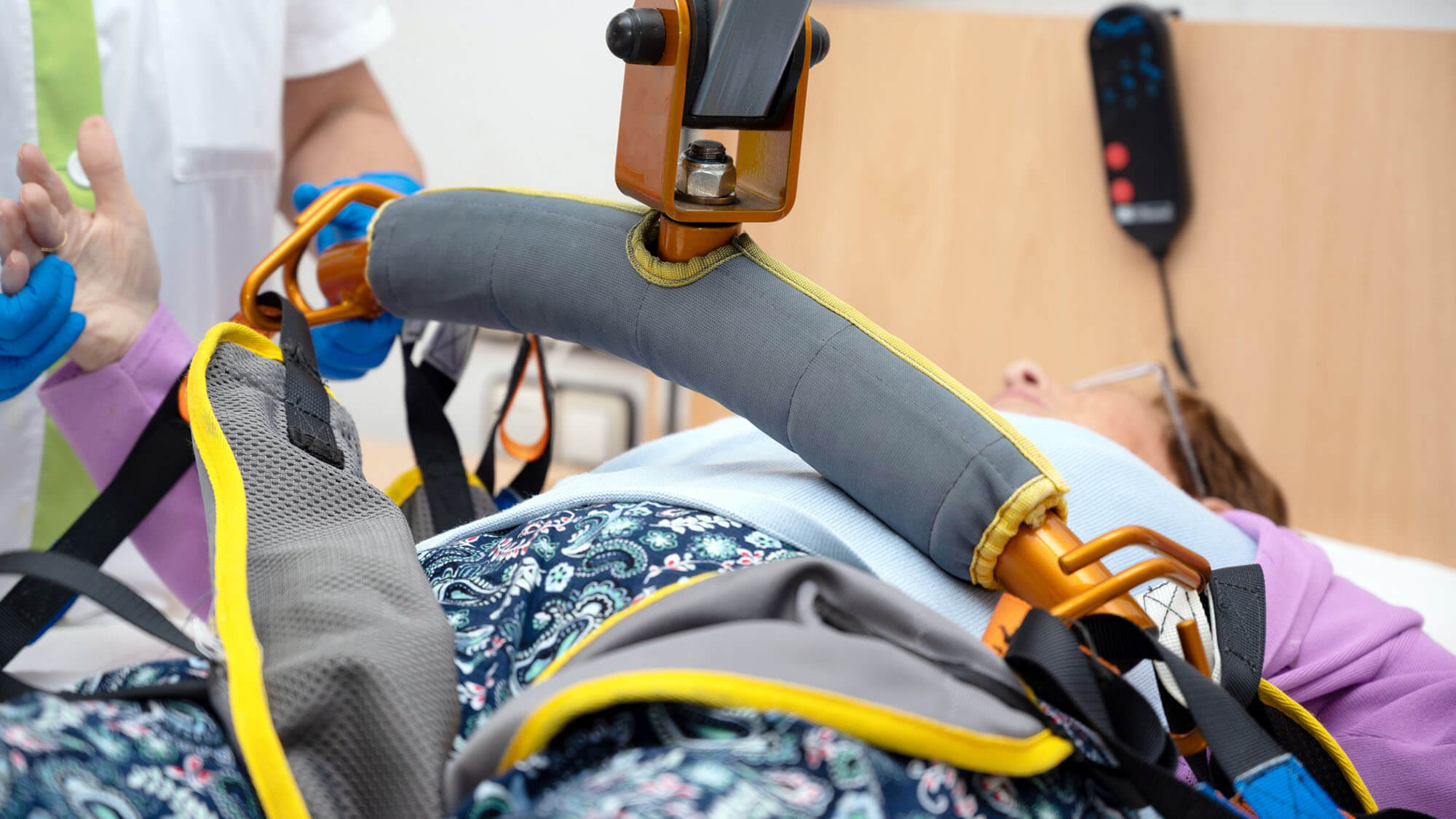
As healthcare quickly expands beyond the walls of hospitals, one thing has become clear: powered patient lifts are a vital tool for improving safety and expanding access to care. Families want loved ones to remain at home. Care facilities need safer ways to support mobility. And caregivers everywhere are looking for solutions that reduce strain, prevent injury, and create a more dignified experience for the patient.
But as these medical devices become more common, from surgery suites to living rooms, the expectations around safety and performance are rising just as quickly. Manufacturers entering this space are discovering that designing a powered patient lift is far more complex than it may appear on the surface.
The New Reality: More Lifts, More Environments, More Responsibility
For years, caregivers relied heavily on manual lifting. But we know the risks: slips, falls, back injuries, and inconsistent support that put both patients and caregivers in danger. Powered patient lifts transformed that equation by offering controlled, reliable movement. And now, as more people receive care at home or in non-traditional care settings, the stakes are even higher. Every environment is different. Every patient is different. And every manufacturer must design with flexibility and safety in mind.
That’s where the standards come in.
ISO 10535 and IEC 60601-1: The Two Standards You Can’t Ignore
If you’re developing powered patient lifts, two standards guide the path to compliance:
- ISO 10535: Focused on what the lift does: the mechanical strength, the usable lifespan, the ergonomics, and the reliability needed to lift and move real patients.
- IEC 60601-1: Focused on how the lift behaves electrically: preventing shock, fire, or mechanical hazards related to the powered system.
Together, they create a comprehensive picture of safety. And while some companies in the past tried to claim that 60601-1 didn’t apply, especially when the patient only contacts a sling, today’s regulatory climate leaves no room for that assumption. If it’s powered and used for patient care, compliance is expected.
Where Manufacturers Often Hit Roadblocks
Even well-designed products encounter challenges during testing. A few common areas tend to surprise manufacturers:
1. Heat buildup during operation
Powered lifts run hot, especially under maximum load. During testing, they must operate:
- Under the heaviest patient load
- At the highest ambient temperature
- While charging (if battery-powered)
This “worst-case scenario” approach reveals overheating risks that aren’t always obvious during routine development.
2. Enclosure design conflicts
Designers must strike a delicate balance:
- Enough ventilation to release heat and allow batteries to vent safely
- Enough sealing to meet ingress protection and noise-reduction targets
It’s not as simple as “add vents” or “seal it tighter.” Each adjustment affects another requirement.
3. A broader patient population
Today’s lifts must support a wider spectrum of patient sizes, shapes, and mobility needs. That means higher loads, more stress on components, and greater mechanical testing demands.
Why ISO 14971 Risk Management Matters More Than Ever
Suspending a patient, even for a moment, is a high-risk scenario. That’s why ISO 14971 is such an essential early step in the design journey. Strong risk management helps manufacturers answer crucial questions, such as:
- What if the battery dies mid-lift?
- What happens during a sudden power loss?
- Could the motor stall or release unexpectedly?
When risk management starts early and evolves as the design evolves it guides smarter engineering decisions and ensures the final test plan reflects real-world hazards.
Designing for Home Use: A Standard of Its Own
With more patients using lifts in their homes, IEC 60601-1-11 becomes a key part of the compliance puzzle. Unlike hospitals, home environments are unpredictable. The flooring, humidity levels, electrical stability, and user training can vary dramatically.
Manufacturers must plan for:
- Uncontrolled environments
- Patient-operated controls
- Limited supervision
- Everyday household obstacles
Yet despite these challenges, home-use lifts offer enormous benefits, greater independence for patients, and less strain on caregivers.
The Bottom Line
Electrically powered patient lifts are improving safety and expanding access to care in ways that were unimaginable just a decade ago. But with that progress comes responsibility. Manufacturers must navigate a complex landscape of mechanical, electrical, and environmental requirements to deliver products that work reliably—wherever they’re used. By embracing ISO 10535, IEC 60601-1, IEC 60601-1-11, and early ISO 14971 risk management, companies can build lifts that not only meet regulatory expectations but truly enhance patient care.

You may be interested in...
Ensuring Safety in Electrically Powered Patient Lifts | White Paper
Electrically powered patient lifts must be safe, reliable, and compliant. This whitepaper explores the dual compliance requirements of IEC 60601-1 (electrical safety) and ISO 10535 (mechanical safety and performance), helping manufacturers avoid common pitfalls and streamline approvals.